
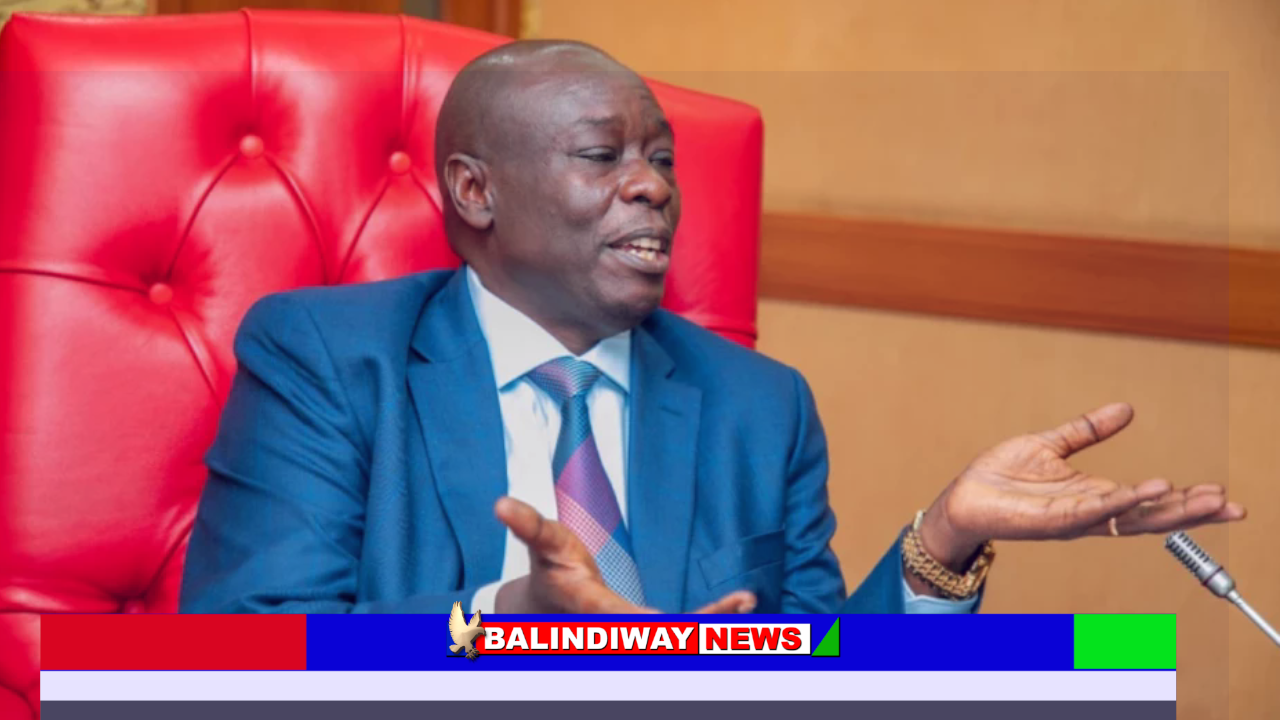
On Monday, April 7, former Deputy President Rigathi Gachagua made fresh and explosive allegations against his former boss, President William Ruto, shedding light on the events that led to his removal from office.

During a televised interview, Gachagua addressed several contentious issues, including President Ruto’s previous claim that the former DP had demanded Ksh10 billion in exchange for stepping down.
Gachagua firmly denied the accusation and instead reiterated his own version of events: that he was offered a Ksh2 billion settlement to resign, or face impeachment.
According to Gachagua, the offer was relayed multiple times by an unnamed official acting on the president’s behalf. When he refused to take the deal, he said, the impeachment process was set in motion.
“That Friday, when my impeachment case was in the Senate, the president sent someone to speak with me.
“The officer said the president wanted a conversation. We met somewhere along State House Road. The same offer was made again, and I refused. The officer, who comes from my community, urged me to cooperate, but I stood my ground,” Gachagua claimed.
Gachagua further alleged that he had recorded all interactions related to the offer as evidence.
He also accused the president of repeatedly verbally attacking him whenever he raised concerns about certain government actions or individuals close to Ruto.
This, he believes, was a key reason their relationship eventually broke down.
Recalling one such instance, Gachagua claimed he was insulted by the president after expressing discomfort with some of Ruto’s close aides.
Addressing the Ksh10 billion blackmail claim, Gachagua dismissed it as a political strategy meant to sway Mount Kenya voters.
“When he went to Mount Kenya, he pushed a narrative against me, including this claim of Ksh10 billion. I never blackmailed the president. If I had, it would have been the first accusation raised in the Senate,” he argued.
“He promised never to betray me. But he needed something to tell the people of the mountain region.”
Gachagua also responded to reports of conflict between him and some MPs and presidential aides. Referring to President Ruto’s statement on March 31, where he blamed Gachagua’s failure to support government initiatives, the former deputy said the real conflict arose from disagreements over the appointment of Permanent Secretaries in various ministries.
He admitted that he refused to take instructions from individuals he considered politically junior, a stance that, he said, led to him being branded as insubordinate.
“Encouraging MPs to listen to their constituents is not rebellion. I listen to the people. They opposed the Finance Bill, and I advised MPs not to follow the president blindly,” he emphasized.