
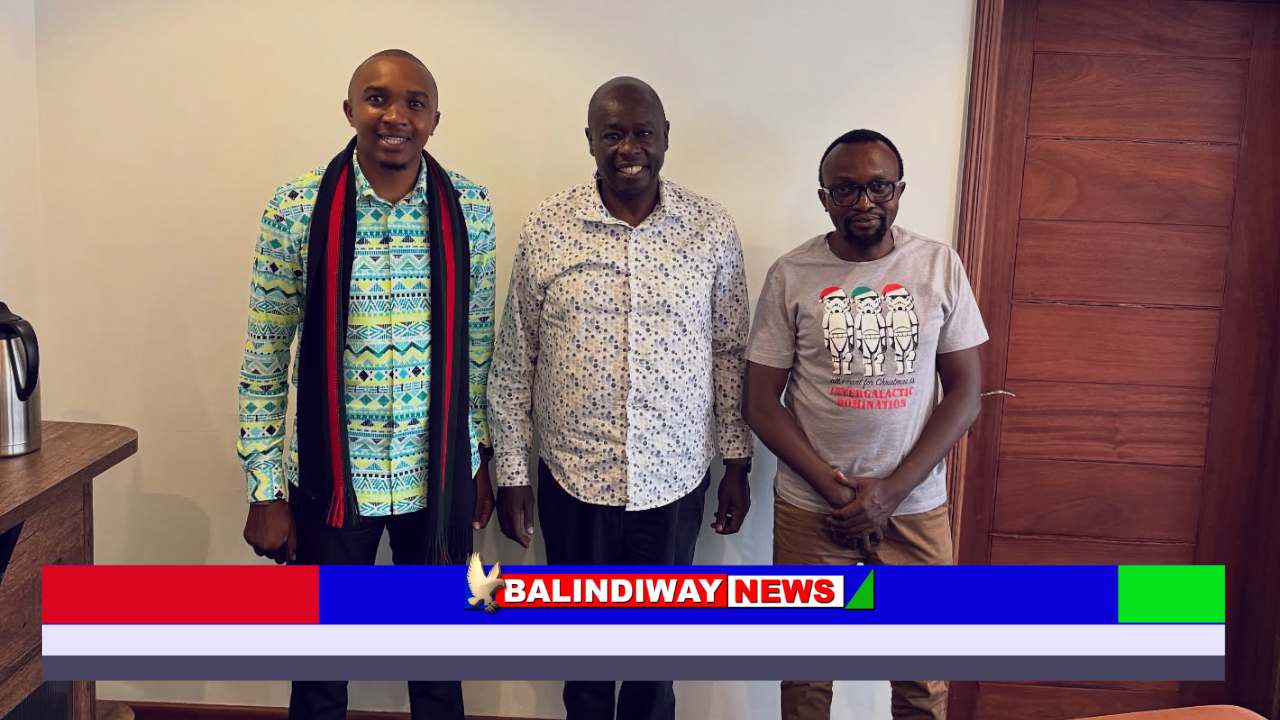
In a surprising turn of events, activist and Inject Party leader Morara Kebaso met with former Deputy President Rigathi Gachagua on Saturday, just days after Gachagua expressed interest in appointing a Gen Z deputy.

The meeting, held in Nairobi, centered on pressing national issues, including political reforms, youth unemployment, and human rights concerns.
According to Kebaso, the discussion aimed at fostering solutions to challenges facing young people and advocating for systemic change.
Kebaso, known for exposing ghost projects, emphasized the importance of engaging with leaders across the political spectrum to amplify the youth’s voice.
In a statement shared on social media, he revealed that the talks also addressed economic exclusion and strategies to secure justice for victims of brutality, abduction, and extrajudicial killings.
“I will continue to engage leaders from across political, religious, and civic spaces to amplify the voice of the youth in their quest for change,” Kebaso stated.
The meeting follows Kebaso’s recent participation in the launch of the People’s Liberation Party (PLP) in Nairobi, where he shared the stage with Gachagua, alongside political heavyweights such as Martha Karua and Kalonzo Musyoka.
Gachagua has been vocal about integrating young leaders into the political arena, recently declaring his intention to appoint a Gen Z deputy in his party.
He stressed that young people are not just future leaders but should play an active role today.
“My party will involve Gen Z to a very large extent. I am the party leader, and my deputy will be a Gen Z to ensure their inclusion,” Gachagua stated during a media roundtable.
Kebaso’s latest engagements mark a shift from his earlier stance. Three months ago, he distanced himself from mainstream political parties, asserting his commitment to charting an independent course with the Inject Party.
However, his recent collaborations suggest a strategic realignment, reflecting a pragmatic approach to achieving meaningful reforms by building alliances.
Political analysts note that Kebaso’s evolving strategy may signal a broader trend of youth leaders integrating into mainstream politics to drive change from within.