
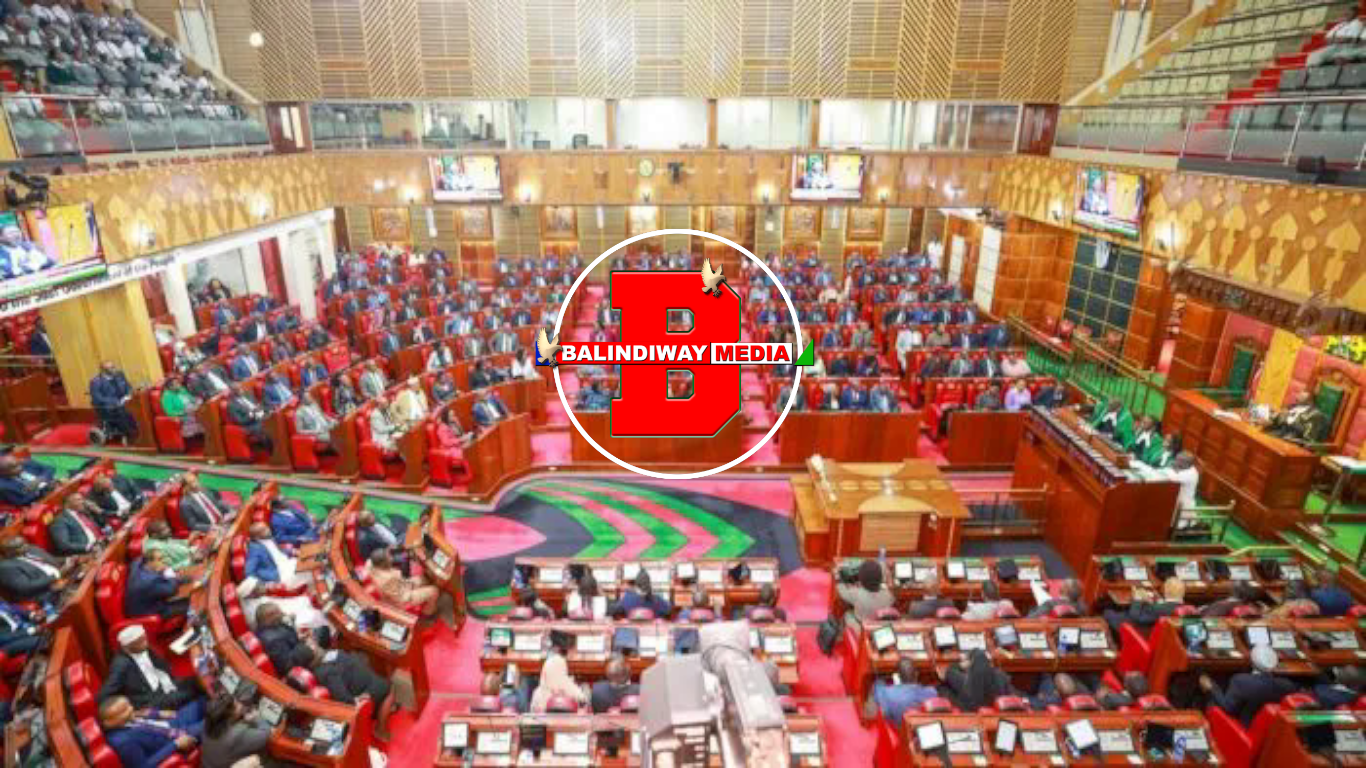
At least 15 politicians could be locked out of the 2027 General Election as government agencies launch an aggressive nationwide campaign against hate speech, political incitement and electoral misconduct.
The warning was issued during a joint briefing by the National Cohesion and Integration Commission (NCIC), the Independent Electoral and Boundaries Commission (IEBC), the Office of the Registrar of Political Parties (ORPP), the National Police Service (NPS), the Ethics and Anti-Corruption Commission (EACC) and the Communications Authority (CA). The agencies unveiled a coordinated strategy aimed at curbing divisive politics ahead of the 2027 polls.
Political Parties Liaison Committee Chairperson Evans Omae revealed that the agencies had agreed to take firm action against politicians who violate electoral laws.
“Some of the people you see here campaigning will not see the ballot because they will be disqualified. We have agreed with colleagues here that we must disqualify at least 15 people,” Omae said on Monday, August 3.
The announcement comes amid growing concern over inflammatory political rhetoric at rallies and across social media platforms, with authorities warning that the trend poses a serious threat to national unity as the country heads toward the next General Election.
In a joint statement, the agencies condemned the rising use of hate speech and ethnic-based political attacks.
“Our public spaces and digital platforms alike are awash with hate speech, ethnic contempt, vulgar language and unprintable political intolerance. Left unchecked, this trend sets the nation on a dangerous and unacceptable trajectory,” the statement read.
To address the issue, the institutions announced the establishment of a High-Level Multi-Agency Steering Committee alongside a Technical Operations Committee. The two bodies will coordinate efforts to prevent, detect, investigate and prosecute cases involving hate speech, political incitement and electoral violence.
According to the statement obtained by Balindiway.com the committees will oversee real-time monitoring of political activities, preserve evidence, coordinate investigations and ensure cases are prosecuted through a unified accountability framework involving all participating agencies.
Officials warned that anyone found culpable could face a range of legal sanctions, including warnings, fines, criminal prosecution and, where the law permits, disqualification from contesting elective positions.
IEBC Chairperson Erastus Ethekon stressed that peaceful elections cannot be achieved in an atmosphere of division and violence.
“We cannot conduct elections in an environment characterised by incitement, division and violence,” Ethekon said, adding that the commission is expected to gazette the official electoral period later this month.
The renewed crackdown follows a series of controversial political statements that have sparked demands for stricter enforcement of hate speech laws. Health Cabinet Secretary Aden Duale recently called on NCIC to summon Democracy for the Citizens Party (DCP) leader Rigathi Gachagua over alleged tribal remarks, accusing the commission of applying double standards in handling such cases.