
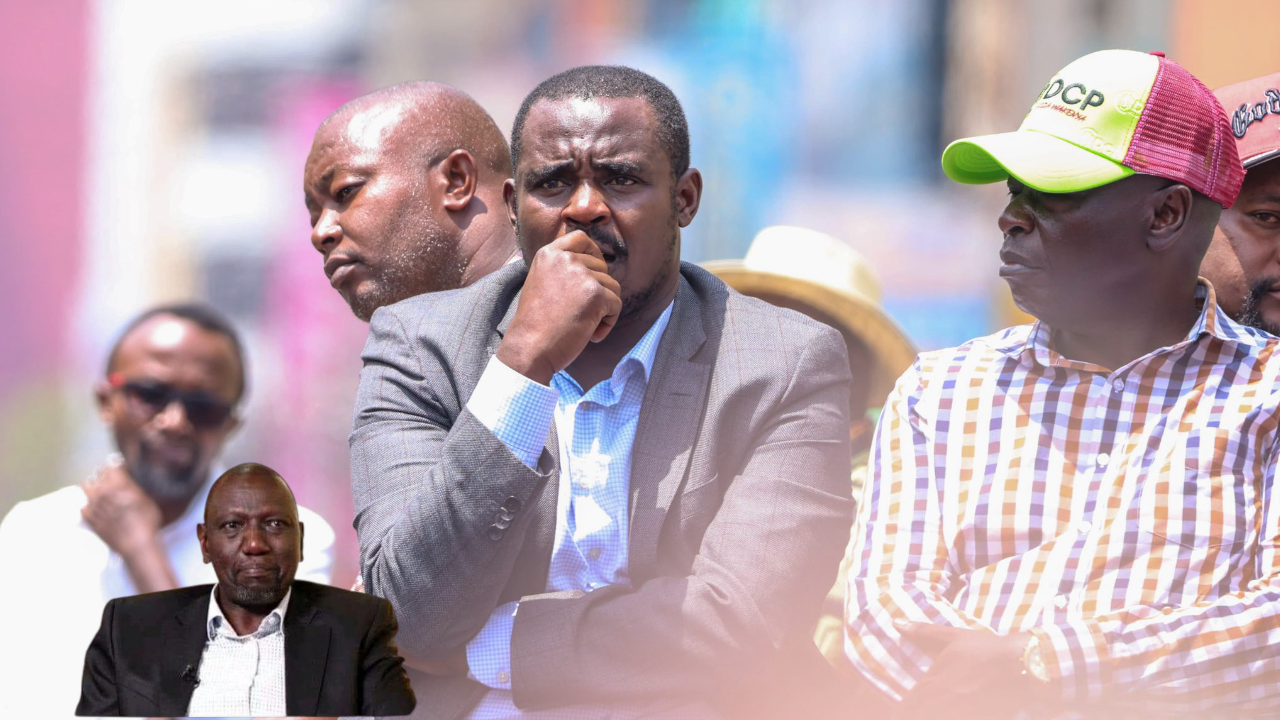
Kenya’s political temperatures are once again rising after the United opposition announced a mega protest set to take place in Nairobi this Friday.

The planned demonstrations, spearheaded by leaders from the United opposition coalition, are expected to draw thousands of supporters into the capital in what organizers describe as a “decisive moment” for the country’s democracy and economic justice.
At the center of the storm is President William Ruto, whose administration has faced mounting criticism over the high cost of living, new tax measures, and allegations of political exclusion.
Opposition leaders argue that many Kenyans are struggling to survive amid rising fuel prices, increased taxation, police brutality especially in political rallies and a weakening shilling, and say peaceful protests are the only way to push the government to listen.
Growing Opposition Unity
What makes Friday’s protest particularly significant is the renewed unity among opposition figures who had previously appeared fragmented after the 2022 General Election. The coming together of rival camps signals a strategic shift — from isolated criticism to coordinated political action.
Analysts say such unity increases the protest’s legitimacy and could amplify its impact both locally and internationally.
When opposition leaders present a common front, they not only mobilize larger crowds but also send a message to state institutions and the international community that discontent is widespread and organized. This could put additional pressure on the presidency to respond decisively.
Nairobi as the Political Battleground
Nairobi has historically been the epicenter of Kenya’s political protests. A large-scale demonstration in the capital carries symbolic and practical weight. It disrupts business, draws intense media attention, and tests the state’s ability to manage dissent while maintaining order.
If turnout is massive and peaceful, it strengthens the opposition’s narrative that Kenyans are dissatisfied. However, if the protests turn chaotic, the government risks being accused of heavy-handedness — a scenario that could further damage its image.
Why Ruto Should Be Concerned
President William Ruto’s political strength has largely rested on his grassroots appeal and his image as a champion of the “hustler nation.” A protest that draws strong support from ordinary citizens — particularly from urban centers — challenges that brand directly.
Moreover, sustained demonstrations can affect investor confidence, slow economic activity, and deepen political polarization. Should the protests gain momentum beyond Friday, they could trigger broader calls for dialogue, policy reversal, or even political concessions.
Ultimately, how the government responds will shape the narrative. A conciliatory approach could ease tensions, while confrontation may escalate them.
Friday’s planned mega protest is more than a show of political muscle, it is a test of leadership, public sentiment, and the resilience of Kenya’s democracy.
For President William Ruto, the events in Nairobi may signal whether dissatisfaction is manageable political noise or the beginning of a deeper national reckoning.